



This guest opinion originally ran in the Spokesman-Review on August 27, 2026.
By Jack Heath and Cameronne Mosher
When disaster strikes, we witness the very best of humanity. Across Eastern Washington, firefighters are risking their lives to protect our communities. Neighbors are opening their homes to displaced families. Volunteers are sorting donations, serving meals, and helping strangers begin the impossible task of rebuilding. Businesses, nonprofits, and community organizations are stepping forward because that’s what Washington does in times of crisis.
Unfortunately, disasters also bring out the very worst in people. While families are searching for shelter, replacing lost belongings, or trying to understand what comes next, criminals see opportunity. They exploit confusion, fear, and urgency. They impersonate government agencies, insurance companies, contractors, charities, and even banks. They send fraudulent text messages, spoof legitimate phone numbers, create fake fundraising pages on social media, and pressure victims to act immediately before they have time to think.
For someone who has just lost a home, these scams can become a second disaster. Across the state, Washington banks have seen firsthand how sophisticated these criminals have become. Most no longer operate by trying to hack into bank accounts. Instead, they manipulate people into voluntarily sending money or sharing personal information. They prey on trust and emotion, especially after tragedies like the wildfires that have devastated parts of our state.
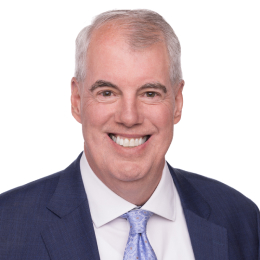
Jack Heath is Chief Executive Officer of Washington Trust Bank. He is also a member of the Washington Trust Bank and W.T.B. Financial Corporation Boards of Directors. Jack most recently served as President and Chief Operating Officer. Prior, he held a variety of leadership positions for Washington Trust including roles in the Commercial and Retail, Investment Services, and Marketing divisions and has worked for Washington Trust since 1989. Washington Trust is the largest privately owned community bank in the Northwest with $11 billion in assets.
In addition to his responsibilities at Washington Trust, Heath is very active in the financial industry and the Spokane community. He serves on the boards of the Pacific Coast Banking School and Washington Bankers Association, as well as a number of local organizations, including Community Cancer Fund and the Launch Northwest board. He is past chair of the Spokane County United Way Campaign, Greater Spokane Incorporated, and Washington Bankers Association. Heath also served on the Board of Regents of Gonzaga University and the chair of Premera Blue Cross board.
He holds a bachelor’s degree in finance from the University of Idaho and a Master of Business Administration in finance from Gonzaga University.