


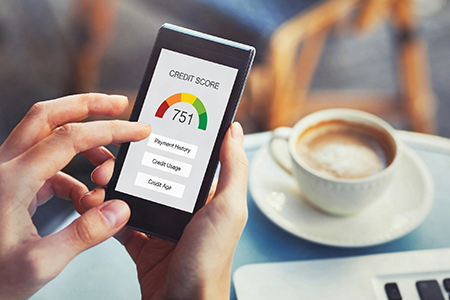
Ever since opening your first line of credit, you’ve been establishing a credit history that gets rolled up into a tidy credit score. That number impacts the financing and terms you qualify for when it comes to buying a car or a first home – the higher the number, the more “credit worthy” you are deemed to be, and the better rates you can expect.
While we all know that missing payments isn’t a good move, some seemingly innocuous practices can set credit scores back, too. Here are 7 ways you might be hurting your credit without even knowing it.
1. Opening many credit card accounts
When a salesperson asks if you want to save an extra 20 percent off your new outfits, the obvious answer seems, “of course!” Think twice before jumping at a retailer’s credit card offer.
When a salesperson asks if you want to save an extra 20 percent off your new outfits, the obvious answer seems, “of course!” Think twice before jumping at a retailer’s credit card offer.
First, it’s likely to carry a high interest rate. Second, it lowers the average length of your credit history (a longer history is better). Lastly, it logs a hard inquiry on your credit report; multiple hard inquiries may signal that you’re desperate for credit, which could raise red flags for lenders.
2. Closing old accounts in good standing
It’s tempting to simplify finances to the point where you’re closing accounts that aren’t being used. After all, you’ll have fewer accounts, logins and payment schedules to track. If those accounts have a healthy history, however, your credit score could take a hit.
It’s tempting to simplify finances to the point where you’re closing accounts that aren’t being used. After all, you’ll have fewer accounts, logins and payment schedules to track. If those accounts have a healthy history, however, your credit score could take a hit.
By keeping old accounts open and not using them, you continue demonstrating good credit management. Plus, you’ll benefit from the long history, and you could improve your credit utilization rate – the amount owed relative to total credit available.
3. Using too much credit
Even if you’re not maxing out your credit lines, too high of a credit utilization rate will count against you. At a certain level, lenders begin to question whether you can fulfill your debt obligation or if a balance is growing beyond your control. The rule of thumb is to never use more than 30 percent of your available credit.
Even if you’re not maxing out your credit lines, too high of a credit utilization rate will count against you. At a certain level, lenders begin to question whether you can fulfill your debt obligation or if a balance is growing beyond your control. The rule of thumb is to never use more than 30 percent of your available credit.
4. Making only minimum payments
Sure, making timely minimum payments keeps late fees at bay and reflects your responsibility in managing bills, but the practice does little to chip away at a hefty balance or avoid interest charges. The more you leave to your lender to shoulder each month, the more of a risk you become as a borrower since the remaining balance only grows.
Sure, making timely minimum payments keeps late fees at bay and reflects your responsibility in managing bills, but the practice does little to chip away at a hefty balance or avoid interest charges. The more you leave to your lender to shoulder each month, the more of a risk you become as a borrower since the remaining balance only grows.
5. Not using enough credit or the right mix
Some consumers decide to avoid credit altogether, paying cash for all their needs. The problem with this strategy is that expenses can crop up that require more cash than is on hand. For instance, buying a new home will be one of your biggest purchases ever, and mortgage lenders want assurance that you have experience handling debt.
Some consumers decide to avoid credit altogether, paying cash for all their needs. The problem with this strategy is that expenses can crop up that require more cash than is on hand. For instance, buying a new home will be one of your biggest purchases ever, and mortgage lenders want assurance that you have experience handling debt.
That said, not all debt is the same. Credit scores benefit from proper management of different types of debt, including secured debt (as with autos and homes) and unsecured (such as credit cards).
6. Co-signing a loan
If your credit score is strong, you may be put in the awkward position of being asked to co-sign a loan by a friend or family member. It may seem an easy way to help someone in need, but be aware that any missed payments will be reflected in your own credit report and score.
If your credit score is strong, you may be put in the awkward position of being asked to co-sign a loan by a friend or family member. It may seem an easy way to help someone in need, but be aware that any missed payments will be reflected in your own credit report and score.
7. Never checking your credit report
The three major credit bureaus – Equifax, Experian and Transunion – each make free credit reports available once every 12 months. The reports detail your borrowing history, but reporting errors and identity theft or fraud could undermine your conscientiousness. Consider setting calendar reminders to access a report from a different bureau every four months to catch any anomalies.
The three major credit bureaus – Equifax, Experian and Transunion – each make free credit reports available once every 12 months. The reports detail your borrowing history, but reporting errors and identity theft or fraud could undermine your conscientiousness. Consider setting calendar reminders to access a report from a different bureau every four months to catch any anomalies.
By being more deliberate about how you use credit, you can get in a financially awesome position to tackle any major expenses in your future.